















The phrase wolf spider spider bite triggers instant fear for many people. A big, fast spider. Thick legs. Sudden movement across the floor at night. The mind jumps straight to danger. Pain. Infection. Sleepless nights. I get it. I’ve had that moment too, staring at one frozen near the wall and thinking, what if this thing bites me while I sleep?
Here’s the truth. Wolf spiders look intense. Their reputation sounds worse than reality. A bite can happen. It hurts. It usually stays mild. Serious outcomes remain rare. Still, myths spread faster than facts. This blog breaks down everything people want to know. Sleep fears. Bite symptoms. Stages. Infection risk. Actual danger. No panic. Just clear answers.
also read : – Don’t Believe in These Myths: Facts About Screw Pumps
What Is a Wolf Spider
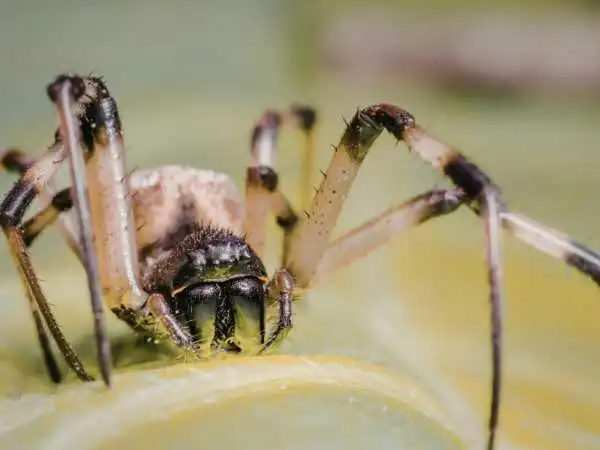
Wolf spiders belong to a large group of ground-dwelling spiders found across many regions. They do not spin webs to catch prey. They hunt. That hunting style explains their size, speed, and alert posture.
Key traits stand out:
- Strong legs
- Excellent eyesight
- Brown or gray coloring
- Hairy body
They live outdoors in grass, soil, leaf piles, and under rocks. Some wander indoors by accident. They do not set up shop inside homes on purpose.
Why Wolf Spiders End Up Indoors
Wolf spiders enter houses for simple reasons.
Common triggers include:
- Weather shifts
- Open doors or cracks
- Insects inside the home
They do not build nests indoors. They roam. Once trapped inside, they search for escape or prey. That wandering leads to surprise encounters.
also read : – Difference Between Collectivism and Individualism
Will a Wolf Spider Bite You in Your Sleep
This question drives a lot of anxiety. Will a wolf spider bite you in your sleep? The short answer stays simple. It rarely happens.
Wolf spiders do not seek humans. They do not crawl into beds with intent. A bite usually happens only when the spider feels trapped or pressed.
Possible sleep scenarios include:
- Rolling onto a spider in bed
- Trapping one under clothing or blankets
- Accidentally squeezing it
Even then, bites remain uncommon. Most wolf spiders flee rather than fight.
Why Wolf Spiders Bite at All
A wolf spider bite serves one purpose. Defense.
Triggers include:
- Being pinned
- Being stepped on
- Being grabbed
They do not bite to feed. Human skin offers no food value. Biting wastes venom. Spiders conserve venom for prey.
That instinct lowers bite risk significantly.
also read : – Chinese Massage: Techniques, Benefits, and Everything You Need to Know
What Happens if a Wolf Spider Bites You
People often ask what happens if a wolf spider bites you as if the outcome is dramatic. In most cases, it is not.
A typical reaction includes:
- Sharp sting at the bite site
- Mild swelling
- Redness
- Local pain
Pain often feels similar to a bee sting. The intensity varies based on skin sensitivity and bite depth.
Systemic reactions remain very rare.
Wolf Spider Bite Symptoms: Early Signs
Wolf spider bite symptoms usually appear within minutes to a few hours.
Early signs include:
- Pinpoint puncture marks
- Warmth at the site
- Mild burning sensation
- Slight itching
Some people never notice the bite itself. They notice redness later and connect the dots after spotting the spider.
Wolf Spider Bite Stages: How a Bite Progresses
Understanding wolf spider bite stages helps reduce panic.
Stage One: Immediate Reaction
Pain or sting appears. Redness begins. Swelling stays limited.
Stage Two: Short-Term Inflammation
Area feels sore. Itch may increase. Swelling peaks within a day.
Stage Three: Resolution
Symptoms fade within a few days. Skin returns to normal.
Most bites resolve without intervention beyond basic care.
How Long Does a Wolf Spider Bite Last
For most people:
- Pain fades within 24 hours
- Redness fades within 2 to 3 days
- Complete healing occurs within a week
Scratching can slow healing. Clean care speeds recovery.
Are Wolf Spider Bites Dangerous
The question are wolf spider bites dangerous deserves a clear answer.
For healthy adults, danger remains low.
Wolf spider venom:
- Targets insects
- Lacks strong neurotoxins
- Rarely causes severe reactions
Severe outcomes occur mainly in people with allergies, weak immune systems, or secondary infection.
Wolf spiders rank far below medically significant spiders.
How Wolf Spider Venom Affects Humans
Wolf spider venom causes localized tissue irritation. It does not attack nerves or organs.
That explains why symptoms stay local rather than spreading through the body.
Venom amount remains small. The spider’s size looks intimidating, but venom potency stays low.
Wolf Spider Bite Infection: When Problems Start
A wolf spider bite infection presents the real risk, not venom.
Infection risk increases when:
- The bite breaks skin deeply
- Bacteria enter through scratching
- Wound care gets ignored
Signs of infection include:
- Increasing redness after two days
- Warmth spreading outward
- Pus
- Fever
These signs require medical attention.
Why Spider Bites Get Misdiagnosed
Many so-called spider bites turn out to be:
- Ingrown hairs
- Bacterial skin infections
- Allergic reactions
True spider bites remain less common than people think. Wolf spiders often get blamed simply due to size and fear factor.
How to Treat a Wolf Spider Bite at Home
Simple care works well.
Basic steps include:
- Wash the area with soap and water
- Apply a cold pack for swelling
- Use an antihistamine for itch
- Keep the area clean and dry
Pain relief medications help if needed. Avoid harsh chemicals or home remedies.
When to See a Doctor
Medical care becomes necessary if:
- Pain worsens after 48 hours
- Redness spreads rapidly
- Fever develops
- Signs of infection appear
Doctors treat infections easily when caught early.
Wolf Spider Bite vs Other Spider Bites
People often confuse wolf spider bites with more serious bites.
Key differences:
- Brown recluse bites cause tissue damage
- Black widow bites affect nerves
- Wolf spider bites stay local
Misidentification fuels fear. Accurate ID calms nerves.
How to Identify a Wolf Spider Bite
Wolf spider bites:
- Show two small puncture marks
- Lack blistering or necrosis
- Improve steadily
Sudden worsening signals something else.
Children and Wolf Spider Bites
Children experience similar symptoms as adults. Size does not increase venom danger.
Kids may scratch more, raising infection risk. Monitoring helps.
Pets and Wolf Spider Bites
Pets may get bitten on noses or paws.
Signs include:
- Limping
- Swelling
- Licking the area
Veterinary care helps if symptoms persist.
Why Wolf Spiders Get a Bad Reputation
Wolf spiders suffer from image issues.
Reasons include:
- Large size
- Speed
- Hairy appearance
Fear fills gaps left by facts. Media exaggeration keeps myths alive.
Are Wolf Spiders Aggressive
Wolf spiders show defensive behavior, not aggression.
They:
- Run fast
- Hide quickly
- Freeze when threatened
Biting stays a last resort.
How to Prevent Wolf Spider Encounters
Prevention reduces bite risk to near zero.
Helpful steps include:
- Seal cracks and gaps
- Reduce indoor insects
- Shake blankets before bed
- Keep clutter low
Outdoor lighting attracts insects. Insects attract spiders. Simple changes help.
What to Do if You Find a Wolf Spider Indoors
Do not panic.
Options include:
- Guide it outside with a container
- Vacuum and release outdoors
- Call pest control for repeated sightings
Killing spiders increases insect problems.
Seasonal Patterns and Bite Risk
Wolf spiders appear indoors more often during:
- Fall
- Early winter
Cooling weather drives them to search for shelter.
Can a Wolf Spider Bite Cause Long-Term Damage
Long-term damage remains extremely rare.
Most bites heal fully without scarring. Infection creates risk, not venom.
Why Sleep Anxiety Makes Bites Feel Worse
Fear amplifies perception. A minor bite can feel severe when anxiety spikes.
Knowing the facts reduces stress. Calm responses heal faster.
Wolf Spider Bite Myths That Refuse to Die
Common myths include:
- Wolf spiders chase humans
- Bites cause flesh damage
- Bites spread venom through blood
None hold up under evidence.
Wolf Spiders and Ecosystem Balance
Wolf spiders reduce pests like:
- Roaches
- Ants
- Flies
They help homes more than they harm them.
FAQs
Will a wolf spider bite you in your sleep
Rarely. Bites happen mainly when the spider gets trapped or crushed.
What are wolf spider bite symptoms
Localized pain, redness, mild swelling, and itch.
Are wolf spider bites dangerous
Danger stays low for healthy people.
What happens if a wolf spider bites you
A mild sting followed by short-term inflammation.
Can a wolf spider bite get infected
Yes. Poor wound care raises infection risk.
Final Words
A wolf spider spider bite sounds scarier than it usually is. These spiders look fierce, yet they prefer escape over conflict. Bites happen by accident, not intent. Symptoms stay mild for most people. Infection, not venom, creates real trouble.
Fear fades fast when facts step in. Knowing how wolf spiders behave turns panic into perspective.