













Cartoons have never been about perfection. Some of the most unforgettable animated characters are the ones that look awkward, strange, or outright ugly. Crooked teeth. Odd proportions. Faces that feel wrong at first glance. And yet, those are often the characters people remember the longest.
That’s why searches like these keep popping up:
ugliest cartoon character
cartoon character ugly
ugly cartoon characters female
male ugly cartoon characters
People aren’t searching out of cruelty. They’re curious. Ugly cartoon characters break the mold. They stand out. They often carry the best jokes, the sharpest writing, or the most emotional weight.
This guide looks at why ugly cartoon characters exist, how creators use them, and which characters are often named when people talk about the ugliest in animation.
What makes a cartoon character “ugly”
Ugly in cartoons doesn’t follow real-life rules. It’s exaggerated on purpose.
A cartoon character usually gets labeled ugly because of:
- Unbalanced facial features
- Oversized teeth or noses
- Asymmetry
- Slouched posture
- Deliberate distortion
These traits are tools. Artists use them to communicate personality quickly.
Why ugly cartoon characters are created on purpose
Animation gives creators freedom. Faces don’t need to look realistic. Ugly designs often exist to:
- Create instant humor
- Show inner traits visually
- Break beauty standards
- Make a character easier to recognize
A perfect face can fade into the background. An ugly one rarely does.
also read : – The Sandlot Cast, Growing Up After a Summer Classic, and Living With a Movie That Never Faded
The ugliest cartoon character debates
The title of ugliest cartoon character sparks endless debate. That’s because ugliness in cartoons is subjective. Some people see charm where others see chaos.
Still, a few names come up again and again.
Male ugly cartoon characters people always mention
Homer Simpson
Homer isn’t traditionally handsome. His bulging eyes, bald head, and overbite are intentional. His design reflects his personality: impulsive, lazy, and loud. That look made him instantly recognizable.
Quasimodo
Quasimodo’s appearance tells his story before he speaks. His hunched back and uneven features highlight isolation and pain. His design challenges viewers to look past appearance.
Shrek
Shrek is often cited as an ugly cartoon character, yet that’s the point. His design flips the fairy-tale idea of beauty. Over time, the audience stops seeing him as ugly at all.
Mr. Burns
Sunken eyes, thin frame, and claw-like hands. Mr. Burns looks unhealthy on purpose. His appearance reflects greed, age, and decay.
Randall Boggs
Randall’s design feels unsettling. Sharp angles, thin limbs, and a slithering movement make him uncomfortable to watch. Ugly here signals danger.
Why ugly male characters dominate animation
Historically, male characters were allowed to look ridiculous. Their value came from humor or action, not appearance. That freedom led to more exaggerated designs.
Ugly cartoon characters female
Female cartoon characters labeled ugly are rarer, which says a lot about animation history. When they do appear, their looks often carry narrative weight.
Ursula
Ursula’s size, makeup, and sharp features were meant to intimidate. She doesn’t fit traditional beauty rules, yet her presence fills every scene.
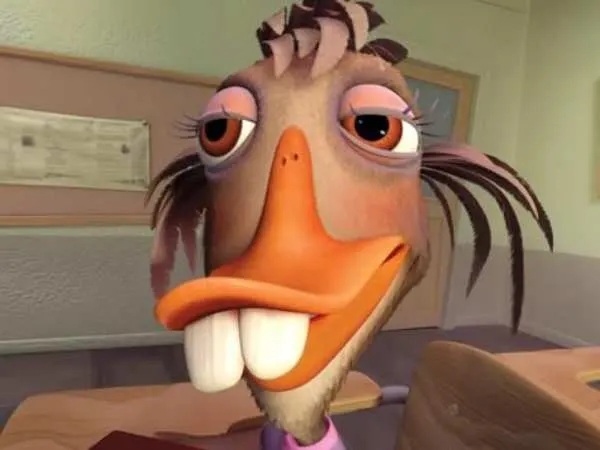
Roz
Roz looks tired, grumpy, and unapproachable. Her design leans into discomfort. That makes her deadpan humor land harder.
Helga Pataki
Helga isn’t ugly in a traditional sense, but her harsh expressions and aggressive posture make her stand out. Her design mirrors emotional turmoil.
Agnes Skinner
Sharp features, rigid posture, and cold expressions define Agnes. Her look reinforces control and bitterness.
Why ugly female characters stand out more
Female characters were often expected to be visually pleasing. When a cartoon breaks that rule, it becomes noticeable. Ugly female characters often symbolize power, authority, or emotional damage.
Cartoon character ugly on purpose vs by accident
Some designs aim for ugliness. Others age poorly due to old animation styles.
Intentional ugliness:
- Serves the story
- Matches personality
- Feels deliberate
Unintentional ugliness:
- Comes from outdated animation
- Feels stiff or awkward
- Wasn’t meant to stand out
Viewers sense the difference.
Why ugly characters are often more likable
Ugly cartoon characters often:
- Feel more human
- Show vulnerability
- Carry better jokes
- Break expectations
Perfect characters feel distant. Flawed ones feel familiar.
Ugly characters and comedy
Comedy loves exaggeration. Big noses. Weird voices. Slouched bodies. Ugly designs amplify humor without words.
A reaction shot works better when the face is expressive, not polished.
Why kids don’t see ugliness the same way
Children rarely judge cartoon characters by beauty. They focus on:
- Voice
- Movement
- Personality
Adults bring beauty standards. Kids bring curiosity.
How animation uses ugliness to teach empathy
Characters like Quasimodo or Shrek invite empathy. Viewers learn that kindness, loyalty, and courage matter more than appearance.
That lesson sticks longer when wrapped in an ugly design.
Ugly cartoon characters in modern animation
Modern animation still uses ugly designs, but with more balance. Characters may look strange without being mocked. There’s more care now.
Why ugly characters age better
Trendy beauty fades. Exaggeration lasts. Ugly cartoon characters don’t rely on fashion or style. They rely on personality.
That’s why people remember them decades later.
Why people search for ugly cartoon characters
They search because:
- These characters stand out
- They break norms
- They trigger nostalgia
- They spark debate
Ugly designs leave impressions.
Is calling a cartoon character ugly a bad thing
In animation, ugly often means effective. It means memorable. It means purposeful.
Ugly doesn’t equal bad. It often equals bold.
also read : – Versatile Mage Novel Wiki
FAQs
Who is considered the ugliest cartoon character?
There’s no single answer. Characters like Shrek, Quasimodo, and Mr. Burns are often mentioned.
Why are ugly cartoon characters so popular?
They feel real, expressive, and memorable.
Are there ugly cartoon characters female?
Yes. Characters like Ursula and Roz are common examples.
Do ugly designs help storytelling?
Yes. They visually reinforce personality and themes.
Final thoughts
Ugly cartoon characters prove that animation isn’t about beauty. It’s about expression. These designs challenge norms, fuel humor, and build emotional depth.